
Baston CE Primary School
Disciplinary Knowledge
We are working hard to embed disciplinary RE knowledge across our curriculum. These are organised into three areas; philosophy, theology and sociology. We are using three characters to introduce disciplinary topics across our curriculum. Each character is a fictional child who our children can relate to.
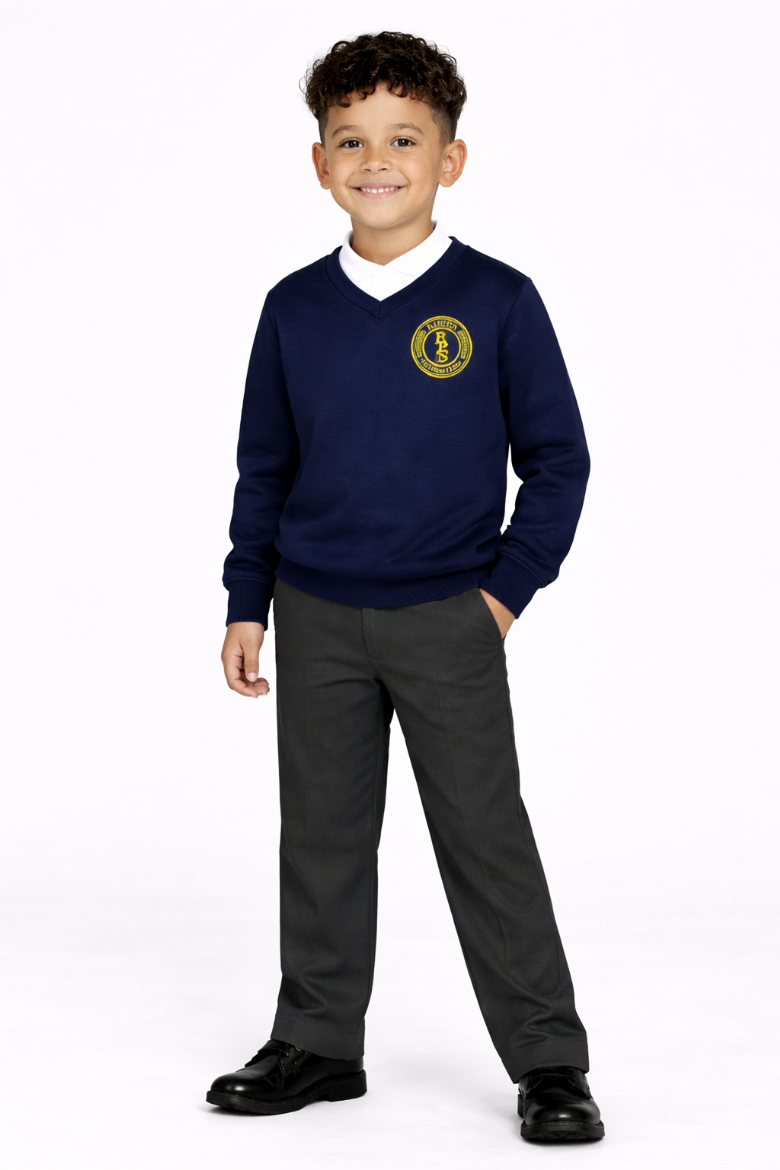 Theo the Theologian
This is Theo. Theo works as a theologian and supports children in developing their own theological thinking. He is curious about what people believe, how those beliefs are formed, and how different ideas link together. Through his guidance, children learn that even within the same religion, beliefs can vary from person to person. He also introduces them to key sources of authority—such as sacred texts, prayers, the Shahadah, and accounts from the Gospels—and helps them explore how these can be understood in different ways. This encourages children to recognise that the same source can be interpreted differently by different people.
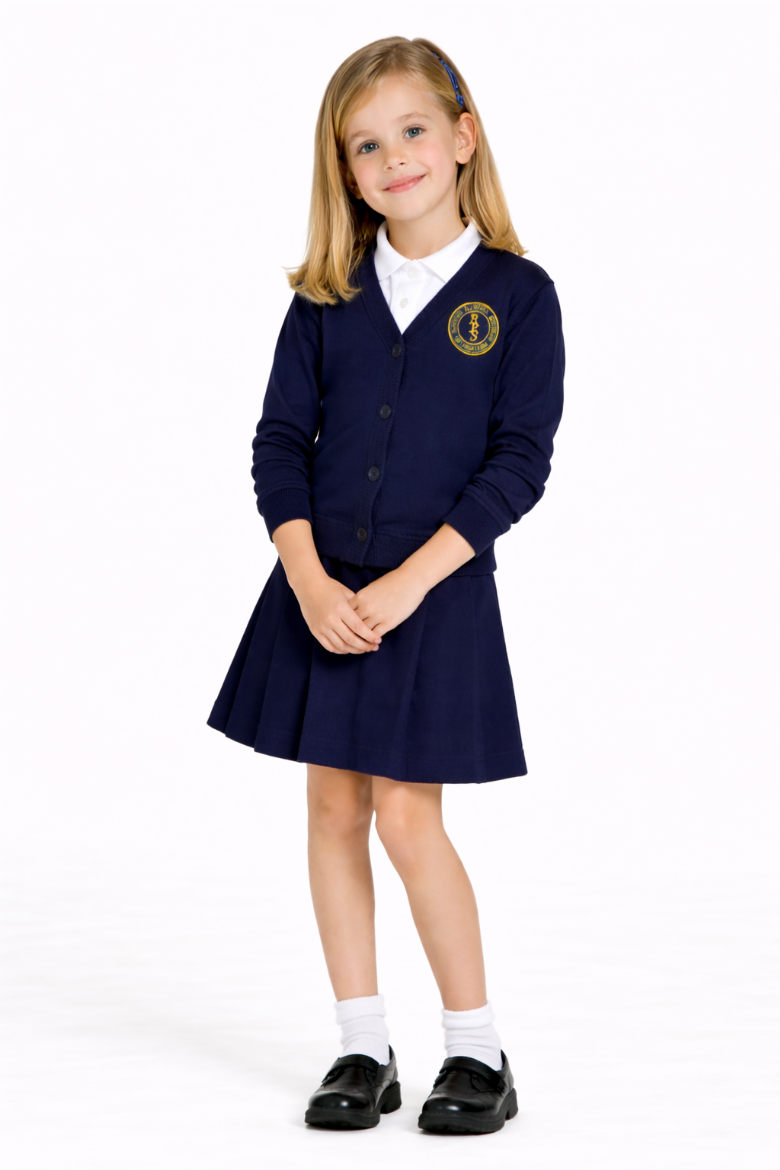 Livvy the Social/Human Scientist
This is Livvy. Livvy is a Social Scientist, helping children explore how people live and how their beliefs can shape everyday life. She encourages them to see that even within a single worldview, people’s experiences and choices can differ, and asks them to look closely at both similarities and differences. Livvy also supports children in examining how context matters—what works or feels appropriate in one place or situation may not be the same elsewhere, which in turn affects how people live. This helps children avoid broad, oversimplified assumptions about groups like Christians or Muslims, and instead appreciate the diversity and complexity within lived worldviews.
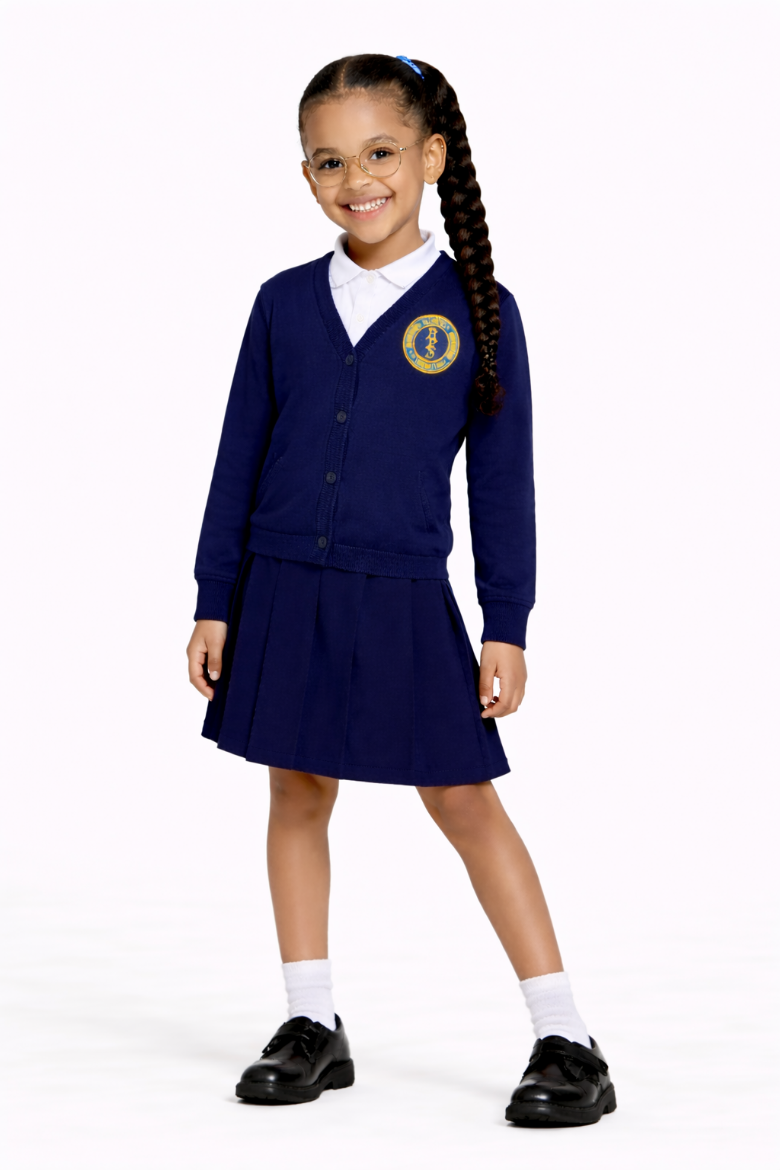 Sophie the Philosopher
Sophie approaches learning as a philosopher, guiding children to develop their skills in questioning and reasoning. She focuses on how people make sense of the world and the reasons behind their thinking, often asking what we know and how we come to know it. Through her approach, children are encouraged to reflect on their own ideas, values, and beliefs, building their ability to think critically by asking themselves questions like “Why do I think this?” For instance, Sophie might invite children to consider whether something is ‘good’ or moral, and then support them in exploring the influences behind their views—such as family, upbringing, environment, or religious perspectives. This process helps children not only to understand their own thinking but also to thoughtfully engage with the perspectives of others and different worldviews, reinforcing values like tolerance and mutual respect.